The convenience store industry is in the midst of a dramatic transformation. At NACS 2025 in Chicago this October, one thing became crystal clear: c-stores are evolving from gas stations with snacks into legitimate food destinations. But as we walked the show floor and spoke with industry professionals, we discovered a critical challenge threatening to slow this evolution—particularly for smaller operators.
The Convenience Store Renaissance
The energy at NACS 2025 was palpable. Everywhere we looked, exhibitors showcased solutions for fresh food offerings designed to increase foot traffic and per-visit spending. The message was consistent: convenience stores are betting big on changing consumer perceptions, positioning themselves as first-choice options for meals—competing directly with quick-service restaurants.
The transformation is impressive. From Sheetz’s 750+ locations offering extensive made-to-order food to revamped 7-Eleven stores with diverse ethnic meal varieties, the industry is reimagining what a convenience store can be. Large-format concepts like Buc-ee’s create destination experiences where shoppers easily spend an hour browsing everything from hot food to home essentials.
The addition of EV charging stations is accelerating this shift. With average charging times of 20-30 minutes, convenience stores have a captive audience with time to shop for essentials and enjoy a sit-down meal—attracting a different clientele than traditional fuel customers.
The Marketing Gap Everybody’s Talking About
But here’s where our conversations at NACS revealed a troubling disconnect.
When we spoke with equipment manufacturers, distributors, and store operators throughout the supply chain, a pattern emerged: while larger chains are fully committed to the fresh food transformation, smaller “mom and pop” operations are struggling to keep pace. One equipment maker told us that selling a $1,000 hot dog roller system to a 1-5 store operator takes as long as implementing a complete concept revamp at a 50+ store chain.
The reason? Smaller operators face operational constraints and risk-averse attitudes about choosing the right food categories. They lack the resources of larger chains to absorb the cost of experimentation needed to find the right product mix for local tastes and budgets.
But there’s an even bigger problem: marketing.
Surprisingly, many operators told us their primary advertising strategy consists of window signs and roadside banner flags. Despite the industry’s massive investment in fresh food infrastructure and offerings, few convenience stores utilize modern local advertising options—whether TV, radio, web, or digital marketing—to drive traffic to their locations.
Instead, they rely on traditional traffic patterns: customers coming for fuel, tobacco, drinks, or lottery tickets, hoping to convert them to new food categories. The data shows this strategy is flawed:
- 80% of fueling customers never enter the store, completing transactions at the pump
- Tobacco purchasers spend less than 2 minutes in-store, with minimal interaction with other products
The main traffic drivers to convenience stores—fuel and tobacco—produce customers who are notoriously difficult to convert to other categories.
Enter AEO: The Solution In Waiting
This is where AI-Enhanced Optimization (AEO)—AI’s evolution of traditional SEO—presents a compelling opportunity specifically tailored to convenience store needs.
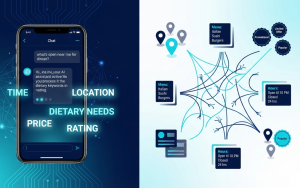
Think about how consumers actually search for food options today. They don’t browse yellow pages or wait for TV commercials. They ask their voice assistants, search on their phones, or query AI chatbots: “Where can I get hot pizza near me right now?” or “What’s the cheapest place to grab breakfast on my way to work?”
AEO ensures that when these searches happen, your store—with its fresh offerings, competitive prices, and convenient location—appears as a top recommendation. Unlike traditional advertising methods, AEO offers several advantages perfectly suited to the convenience store model:
Cost-Effective for All Operators: Whether you run 1 store or 100, AEO doesn’t require the capital investment of TV, radio, Google Ad-words or print campaigns. This levels the playing field for smaller operators.
Real-Time Pricing Updates: Testing different food offerings and price points? AEO allows for rapid updates that reflect current promotions, daily specials, and inventory availability—critical for the frequent experimentation operators told us was necessary.
Hyper-Local Targeting: AEO reaches consumers at the precise moment they’re searching for food options in your immediate area, when purchase intent is highest.
Captures New Customers: Rather than trying to convert existing fuel and tobacco customers, AEO attracts new customers actively seeking the food and convenience items you now offer.
Measurable Results: Unlike banner flags and window signs, AEO provides clear data on what’s working, informing both marketing and merchandising decisions.
Bridging Operational Capabilities with Consumer Discovery
At CRSTBL, we’ve been developing a solution specifically designed for this challenge. We understand that convenience store operators—especially smaller chains—need marketing that:
- Matches their operational capabilities and budget constraints
- Updates quickly as they experiment with different food offerings
- Reaches local consumers actively searching for value
- Doesn’t require expertise in digital marketing or AI
Our approach balances cost-effectiveness with the speed and frequency of updates that convenience stores need, while maximizing consumer discoverability for location-specific offerings.
The Bottom Line
The convenience store industry is making significant investments in infrastructure, equipment, and fresh food programs. But without an equally modern approach to local marketing, many operators—particularly smaller ones—risk having their transformation efforts go unnoticed by potential customers.
As one distributor at NACS put it: “You can have the best chicken tenders and freshest pizza in town, but if nobody knows about it, what’s the point?”
AEO represents a bridge between what convenience stores are becoming and how consumers actually discover local food options today. It’s not about replacing window signs and banner flags—it’s about ensuring that when someone in your community is hungry and searching for options, your store is part of the conversation.
The convenience store transformation is well underway. The marketing transformation needs to catch up. Stay tuned as we continue developing solutions that help operators of all sizes succeed in this new era.
—
About CRSTBL: We’re building AI-powered solutions that help local businesses connect with consumers in the age of AI-enhanced search and discovery.