It starts innocently.
You open your favorite AI assistant and type: “Gift for my dad who likes grilling.”
You are expecting a clean list. Maybe a nice set of tongs, a meat thermometer, some cedar planks for salmon. You are ready to win Christmas.
Instead, your assistant decides your father is in the market for a 90-pound pellet smoker, a “tactical” headlamp, and a subscription box that ships assorted hams monthly “for the discerning pitmaster.” It also suggests a space heater. Because apparently dads who grill are cold. Always. Possibly on the moon.
This is the new holiday shopping mood. AI is becoming the co-pilot for gifts, deals, and last-minute “what does my sister even like” panic searches. Surveys this year show a lot of consumers plan to use AI for holiday shopping tasks like finding deals and gift ideas.
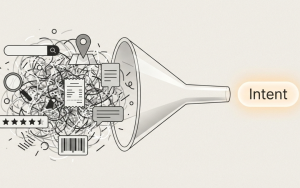
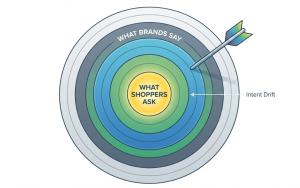
The funny part is the gift list. The serious part is why the list goes off the rails. When intent is misread. Or when product data is vague, missing, or wrong. AI does what it always does. It fills gaps with assumptions.
And those assumptions can cost brands and retailers the moment that matters most. The moment a shopper is ready to add to cart.
Why AI “Gets Weird” About Gifts
- Who is the gift for?
- What problem should it solve?
- What constraints matter? (budget, dietary needs, size, compatibility, shipping time)
- What is available right now, nearby, or deliverable?
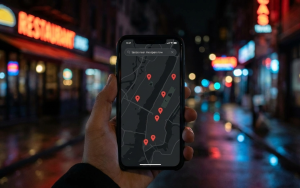
That last one is critical during peak season. Even in 2025, in-store shopping still dominates a large share of holiday transactions, which means “available near me” is not a nice-to-have. It’s the difference between a sale and a shrug.
Now add the reality of modern shopping. People are asking assistants questions in motion. On the couch. In the car. In a store aisle. They are not writing careful queries. They are tossing quick intent signals into the void and expecting the right answer back.
So if your product listings do not clearly state what the product is, who it is for, what it is compatible with, and whether it is actually available, the assistant improvises.
Improvisation is how you end up gifting your aunt a cordless drill because you typed: “Gift for my aunt who loves crafts.”
Three Holiday Scenes That Should Be Fiction, But Aren’t
Scene 1. “Gift for my husband who is always cold”
The product title says: “Portable Heater, 1500W, Quiet.”
The attributes do not say: room size, safety shutoff, cord length, UL listing, or whether it is actually a personal heater or a small-room unit. The description is two sentences of marketing copy and a poem about comfort.
This is what “flat” product data creates. The assistant cannot confidently differentiate between similar items, so it over-relies on pattern matching and category guesses.
Scene 2. “Stocking stuffers from the gas station near me”
- Windshield washer fluid
- Beef jerky “variety” (one option is out of stock)
- A gift card to a location that changed hours in October
- A “holiday snack tin” that is actually a wholesale case listing
None of this is the assistant being dumb. It is the assistant working with messy inputs. Store hours and availability data drift constantly. When they are outdated, the answer becomes confidently wrong.
Scene 3. “Gift for my sister who is gluten-free and likes sweets”
AI recommends a “gluten-free cookie assortment.”
But the product listing’s allergen attributes were never updated after a reformulation. The ingredients panel in the images is old. The “gluten-free” claim lives only in a bullet point written two years ago. Meanwhile, the SKU in a retailer feed is mapped to a different variety pack entirely.
The assistant does what you asked. It finds “gluten-free.” It returns the suggestion. Your sister opens the gift and immediately starts reading labels like a detective.
This is how a brand loses trust in one holiday moment. Research cited in Syndigo’s 2025 consumer study says many consumers form negative opinions about a brand when they encounter incomplete or inaccurate product information online.
The Quiet Culprit: Missing Attributes and Mismatched Feeds
- Vague titles that omit the differentiator (size, count, flavor, model compatibility)
- Missing required attributes (material, ingredients, dietary tags, dimensions, age range, wattage, scent)
- Inaccurate availability or stale local inventory
- Price mismatches between feeds and landing pages
- Wrong variants (the strawberry photo mapped to the mixed-berry SKU)
- Outdated claims (reformulated ingredients, changed certifications, discontinued features)
- Retail location data drift (hours, services, seasonal closures)
Why This Hits Manufacturers and Operators Differently
For manufacturers
For retailers, restaurants, and C-store operators
- Items on shelf
- Foodservice offerings
- Services (hot coffee, clean restrooms, propane exchange, delivery, catering)
- Store-level realities (hours, availability, substitutions)
A Practical Holiday-Readiness Checklist for AI Discovery
1. Make titles do real work
- Brand + product name
- Size or count
- Flavor or scent
- Key constraint (sugar-free, caffeine content, gluten-free certification if applicable)
- Compatibility (models, devices, systems)
2. Fill the attributes like you mean it
- Ingredients and allergens
- Nutrition (where relevant)
- Dietary flags backed by truth (not vibes)
- Dimensions and weight
- Materials and care instructions
- Power specs, safety, age grading
3. Sync availability and price, especially locally
4. Standardize identifiers across partners
5. Test your products the way shoppers ask
- “Stocking stuffer under $10 that is spicy”
- “Gift for a runner who hates gels”
- “Late-night snack from a gas station near me”
- “Gluten-free dessert gift that ships fast”
- “Best gift card for a family dinner”
The Business Payoff: Fewer Bad Gifts, More Great Baskets
- Showing up in AI answers and shopping results
- Making it into gift lists and “top picks”
- Reducing returns driven by wrong expectations
- Cutting customer service friction during peak volume
- Building trust that carries into January