Pitfalls of Today’s AI-Powered Consumer Product Comparisons
October 1, 2025
The rise of generative artificial intelligence has transformed how consumers approach product research and decision-making. With the ability to process vast amounts of information and synthesize complex comparisons in seconds, AI tools have become increasingly popular for evaluating everything from smartphones to sneakers. However, while these systems excel at analysis and pattern recognition, the unique challenges of consumer product comparisons reveal critical limitations that must be addressed before AI can become a truly trusted shopping companion.
AI’s Natural Advantage in Comparisons
Generative AI demonstrates remarkable capabilities when it comes to comparative analysis. These systems can rapidly process specifications, features, pricing, and reviews across multiple products, identifying key differences and trade-offs that might take consumers hours to research manually. AI can weigh multiple factors simultaneously, consider different use cases, and present information in digestible formats that help streamline decision-making.
For stable product categories with well-established features and nomenclature, AI comparisons can be genuinely helpful. When comparing laptops based on processor speed, RAM, and storage capacity, or evaluating cars based on fuel efficiency and safety ratings, AI can leverage its training data effectively to provide meaningful insights.
The Consumer Product Challenge
However, consumer products present a uniquely complex landscape that exposes fundamental limitations in current AI systems. Unlike stable technical specifications, consumer products exist in a dynamic ecosystem characterized by constant change and variability.
Seasonal Volatility: Fashion and clothing represent prime examples of this challenge. A dress that was popular and widely available during AI training may be completely out of season or discontinued by the time a consumer seeks a comparison. Color trends, style preferences, and seasonal collections create a moving target that static training data cannot capture. When an AI recommends a “similar” winter coat in July, or suggests a discontinued fashion item, the comparison becomes not just unhelpful but potentially misleading.
Product Innovation and Launch Cycles: The technology and consumer goods sectors can move at breakneck speed. New smartphones, headphones, kitchen appliances, and countless other products launch monthly, often with features and capabilities that weren’t available during the AI’s training period. An AI comparing wireless earbuds might miss the latest noise-cancellation feature or new health monitoring features that have become standard, leading to outdated recommendations that fail to reflect current market realities.
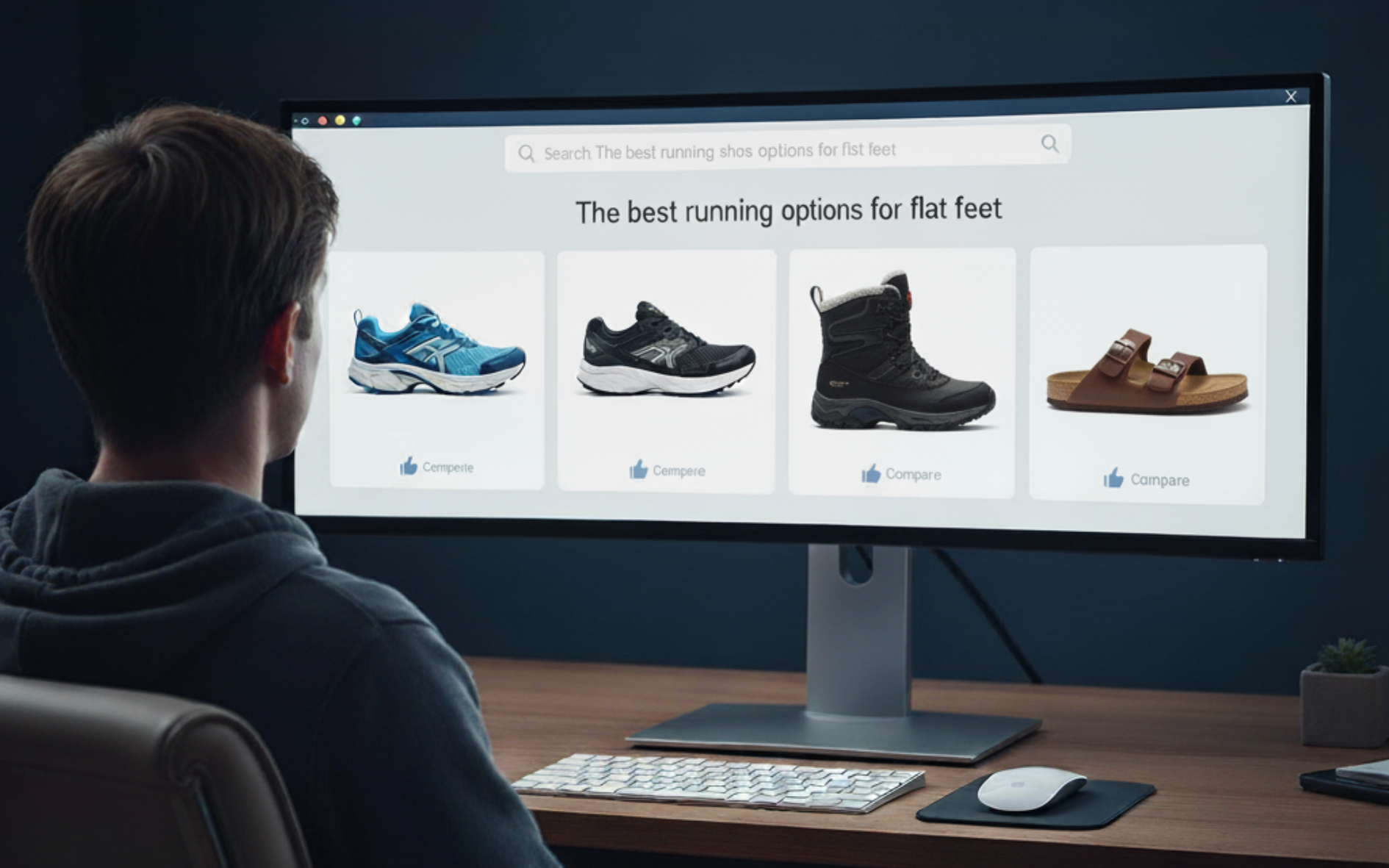
Nomenclature Confusion: Perhaps even more challenging is the inconsistent way products are named and categorized across different brands and retailers. What one shoe company calls “flat feet,” another might categorize as a “stability” feature. Beauty products suffer from particularly complex naming conventions, where similar products might be called serums, essences, or treatments depending on the brand’s marketing strategy. This nomenclature inconsistency can cause AI to miss relevant comparisons or group incompatible products together.
Two Fundamental Barriers to Trust
These challenges crystallize into two critical barriers that must be overcome before consumers can fully trust AI-powered product comparisons:
1. Search Intent Understanding
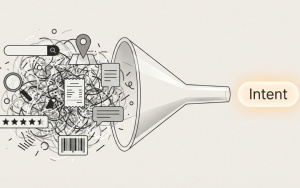
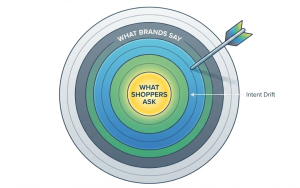
The first barrier lies in ensuring AI correctly interprets what consumers are actually looking for. When someone asks for “running shoes for winter,” does that mean shoes for running outdoors in winter conditions, or casual athletic shoes to wear during the winter months? The AI must parse not just the literal request but understand the context, intended use case, and implied requirements.
This challenge becomes even more complex with ambiguous product categories or when consumers use colloquial terms. A request for “something to help me sleep better” could refer to mattresses, pillows, sleep aids, room environment controls, or wearable devices. Without perfect understanding of search intent, even the most sophisticated comparison algorithms will evaluate the wrong products entirely.
2. Data Completeness and Accuracy
The second barrier centers on the fundamental requirement for complete and accurate underlying data. AI comparisons are only as good as the information they’re built upon. When product specifications are missing, pricing is outdated, availability information is incorrect, or key features are omitted from training data, the resulting comparisons become unreliable.
This challenge is compounded by the fragmented nature of product information across the web. Manufacturer websites, retailer listings, review sites, and social media all contain different pieces of the puzzle, often with conflicting or incomplete information. An AI system must not only access this disparate data but also reconcile inconsistencies and identify the most current and accurate information.
The Path Forward
The potential for AI-powered product comparisons remains significant. These systems can process information at scales impossible for individual consumers and identify patterns and connections that might otherwise be missed. The speed and breadth of analysis that AI provides could revolutionize how people research and evaluate products, making better purchasing decisions more accessible and efficient.
However, realizing this potential requires addressing the fundamental challenges of data quality and search understanding. This means developing more sophisticated methods for real-time data aggregation, implementing better natural language processing for intent recognition, and creating systems that can flag when their information might be incomplete or outdated.
Conclusion
While large language models can provide remarkably fast analysis that helps consumers navigate complex product decisions, the persistent issues of accuracy and incomplete data must be resolved before AI can become a truly trusted source for product recommendations. Until these fundamental barriers are addressed, consumers should view AI product comparisons as a useful starting point for research rather than a definitive guide for purchasing decisions. The promise of AI-powered shopping assistance is compelling, but the path to trustworthy implementation requires solving some of the most challenging problems in data quality and natural language understanding.