From Push to Pull
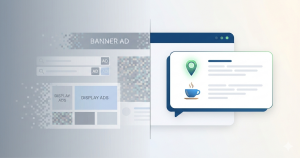
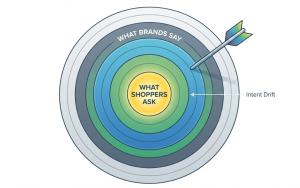
Consumer packaged goods (CPG) brands are entering a new era of digital marketing. Ad budgets are beginning to migrate away from traditional SEO and television toward AI SEO and AI-powered answer engines (AEO). The reason is straightforward: marketing is moving from push to pull.
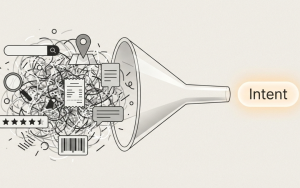
Instead of broadcasting messages to broad audiences, brands are funding responses to real consumer intent. The goal is not just to capture eyeballs, but to close the loop from query to purchase.
-
Push: broadcast impressions to mass audiences.
-
Pull: satisfy explicit requests with structured, shoppable answers.
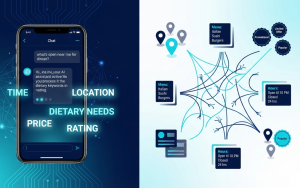
AI-driven answer engines are designed to deliver the right product, to the right query, at the exact right moment. The result is a verified, trusted response that aims to convert—not simply generate views.
SEO vs. AEO: What’s the Difference?
Search Engine Optimization (SEO):
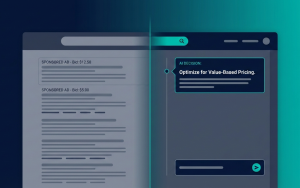
Traditional SEO helps brands rank higher in search results. The focus is on keywords, backlinks, and driving traffic to websites where customers can browse, compare, and eventually convert. Success is measured by impressions, clicks, and site visits.
Answer Engine Optimization (AEO):
AEO prepares brand content for AI-powered answer engines (like ChatGPT, Gemini, or Alexa). Instead of returning a list of links, these systems provide direct, structured answers to consumer questions. The focus shifts from visibility to accuracy, personalization, and conversion — delivering exactly what a shopper is asking for, at the moment they ask.
In short: SEO drives people to a website. AEO delivers the verified answer that gets them to purchase.
Example: A Hair Color Query Becomes a Sale
A shopper asks: “What is the best ammonia-free hair color for covering gray?”
An AI-powered surface responds in a single, streamlined experience:
-
Ingredient list with safety flags and allergen notes.
-
A 60-second how-to video, plus an optional longer tutorial.
-
A short brand video featuring a celebrity endorser.
-
Real-time local availability and a time-boxed incentive: “15% off if you order for pickup at Walgreens on Main Street within the next 30 minutes, or order online.”
In one flow, education, trust, and incentive converge. The customer checks out without bouncing between multiple sites, sifting through irrelevant ads, or taking extra steps to arrange delivery.
Why AI Is a More Efficient Use of Ad Dollars
AI-driven marketing deploys budgets where they matter most: on intent and conversion. Key advantages include:
-
Targeted spend: dollars go toward active intent, not passive exposure.
-
Reusable content: videos, product data, and offers work across multiple queries and channels.
-
Precision offers: promotions are tied to specific locations and time windows, reducing waste.
-
Conversion-based attribution: results tie directly to units sold, not just impressions or click-through rates.
-
Shared insights: brands and retailers exchange SKU-level conversion data.
-
Holistic analysis: results can be tracked, compared, and optimized in real time.
-
Faster adjustments: underperforming campaigns can be corrected quickly.
Budget Implications: Planning the Shift
This transition should be treated as a portfolio reallocation—moving spend from broad display campaigns to high-intent performance channels.
-
Near term: invest in answer packs, structured product data, local inventory feeds, and short-form video.
-
Mid term: roll out brand and retailer AI agents that can negotiate offers, upsell bundles, and provide service.
-
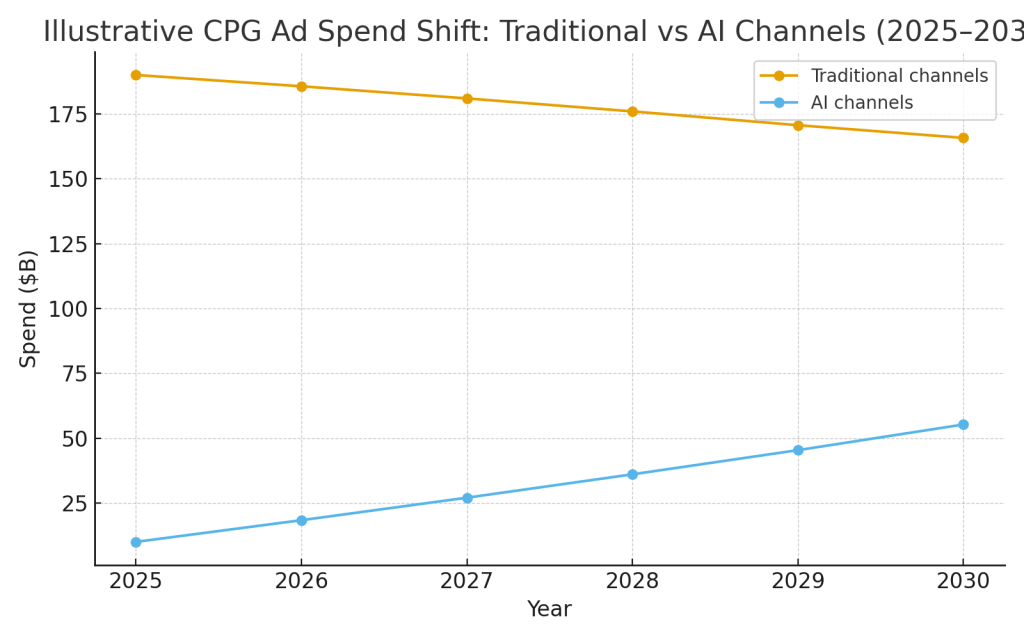
By 2030: expect a 10–20% shift of CPG paid media into AI answer engines and agent-driven channels, with continued growth as infrastructure matures. Measure success by incremental units sold and customer acquisition cost (CAC) versus traditional controls.
Market Projection: 2025–2030
-
Baseline CPG paid media: $200B in 2025, with ~2% CAGR.
-
AI-powered channels grow from 5% share in 2025 to 25% by 2030.
-
Traditional SEO and TV decline proportionally.
Conclusion
AI answer engines and brand-specific agents are transforming advertising from a push model to a pull model. Spend is migrating from SEO and TV into direct, personalized, productized answers that connect consumer intent to instant purchase.
In this new reality, budgets will follow conversion—not impressions. Brands that adapt early will capture more value from every ad dollar deployed.