CRSTBL + RMH: Transforming Convenience Retail with AI-Powered Marketing

Rapid Merchandise Holdings Inc. (RMH) has partnered with CRSTBL Inc. to bring advanced AI-powered marketing solutions to convenience stores across the United States and Canada. This collaboration is designed to help convenience retailers and brands boost product visibility, reduce inefficiencies, and increase consumer engagement at the local level.

Through the partnership, RMH will deploy CRSTBL’s AI SEO technology to publish product information down to the SKU level for each store location. This ensures local consumers can easily discover available products, driving more traffic into stores and reducing search friction for shoppers.

RMH will also leverage CRSTBL’s predictive AI analytics to solve costly challenges such as product-location mismatches and inefficient pilot programs. With these insights, brands can quickly identify the right markets, partner with targeted stores, and increase confidence in their merchandising strategies—all while lowering the time and costs traditionally required for testing.

About Rapid Merchandise Holdings Inc. (RMH)

Founded in 2016 and based in Los Angeles, Rapid Merchandise Holdings Inc. provides distribution consulting services focused on connecting new and alternative products into retail channels. Its services include store introductions, merchandising analytics, and marketing incentive program management, all designed to increase product sell-through and accelerate brand growth.

About CRSTBL Inc.

CRSTBL Inc. is an AI marketing technology company offering a SaaS platform that helps brands and multi-store convenience store operators improve product visibility to local consumers. As a pioneer in practical AI, CRSTBL develops solutions that make products discoverable and transactable, using a mass-customized agentic architecture that facilitates local commerce at scale.
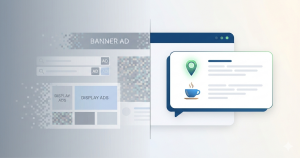
AI Isn’t an Ad Channel. It’s a Decision Engine.

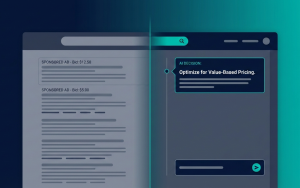
AI isn’t another ad channel to buy into—it’s a decision engine that recommends, ranks, and influences consumers before they ever click. For CMOs, marketing directors, and multi-location brand operators, that shift changes everything about how visibility works. The old playbook of bidding for placement is losing ground to a new imperative: qualifying for recommendation. This post breaks down what AI models actually evaluate, why traditional digital strategies won’t transfer cleanly, and what your brand needs to do now to remain discoverable in an AI-first world.

Read More »

AI Visibility Starts With Intent: How to Control What Chatbots Say About Your Locations, Menus, and Offers

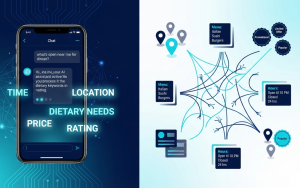
Consumers are asking AI assistants “what’s open near me right now” and “best place for dinner under $20″—not typing keywords into search bars. When ChatGPT or voice assistants answer these high-intent queries with wrong hours, outdated menus, or missing offers, you lose the sale. This guide shows CMOs and operators how to make your location data answer-ready across AI platforms and why accuracy has become your new competitive advantage in the post-click world.

Read More »

The Intent Gap: Where Messaging Loses the Sale

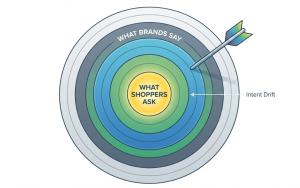
Your brand message might be polished. Your customers are still asking basic questions about price, availability, hours, dietary fit, and policies. This article breaks down intent drift, why it hurts conversion, and how to audit your content so your messaging matches what shoppers are actually trying to do.

Read More »

The Intent Signals Hiding in Plain Sight

High-intent searches like “open now,” “near me,” “best option for,” and “what should I buy” are the moments customers are ready to act. This article breaks down how to spot these signals, show up with the right answers, and shift spend toward demand that already exists.

Read More »