Building a Brand-to-Retailer Marketing Network with CRSTA AI (Without Disrupting Distribution) – Part 1
March 31, 2025
The Challenge of Marketing in the $50B+ Alternative CPG Market
The alternative consumer packaged goods (CPG) market is worth over $50 billion, yet marketing and advertising strategies for retail channels face major hurdles. Manufacturers, brand owners, and distributors struggle to reach consumers and optimize sales due to several key challenges:
The Barriers to Effective Marketing
- Lack of Shared Data – There is no common dataset, such as point-of-sale (POS) data, for marketers and supply chain partners to optimize marketing and merchandising strategies.
- Fragmented Retail Tech – The 50,000+ retail locations carrying alternative products use different point-of-purchase systems with limited data analytics and minimal connectivity to sales and marketing tools.
- Advertising Restrictions – Products containing ingredients like THC and nicotine are heavily restricted from advertising on social media and other consumer-facing platforms, making targeted outreach nearly impossible.
- E-Commerce Limitations – These same products are often prohibited from online sales due to mailing regulations and age restrictions, further limiting direct-to-consumer opportunities.
- Short-Term vs. Long-Term Marketing Conflict – Manufacturers frequently introduce new formulations and products, creating tension between long-term brand-building strategies and short-term product launches.
- Limited Retail Marketing Opportunities – Most alternative CPGs are sold in convenience stores and small retailers, where in-store marketing opportunities are minimal.
- Small Budgets, Big Challenges – Many alternative brands operate with limited marketing budgets, making it difficult to support a product line across a broad geographic market.
The Current Approach—and Its Shortcomings
To navigate these challenges, brands rely on local distribution partners to “push” products into retail locations, hoping to generate consumer demand. However, these partners typically have limited resources beyond email blasts or printed catalogs—tactics that often fail to drive retail adoption. Worse, this approach provides no direct communication between brands and consumers about new product launches.
With strict advertising regulations, minimal marketing at retail locations, and distributors constrained by outdated methods, the industry suffers from an above-average failure rate for product launches. Millions of marketing dollars go unspent due to a lack of scalable, proven strategies, while investments in distributor-led marketing efforts often yield disappointing returns.
But what if there was a better way? In Part 2, we’ll explore how brands can cut through the noise, overcome these challenges, and hit the bullseye with smarter, more effective marketing solutions.
AI Isn’t an Ad Channel. It’s a Decision Engine.
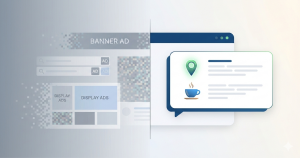
Why Traditional Ads Don’t Belong in AI Conversations
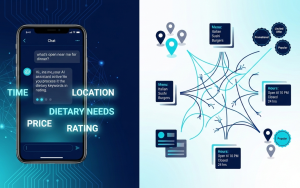
AI Visibility Starts With Intent: How to Control What Chatbots Say About Your Locations, Menus, and Offers
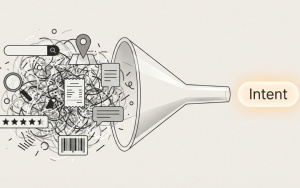
Signals, Insight, and Intent. The Difference That Separates “Data Rich” From “Customer Ready”
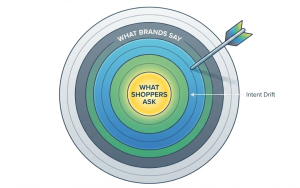
The Intent Gap: Where Messaging Loses the Sale