AI Technologies Are Redefining Operational Management for America’s Convenience Stores
June 11, 2025
(This article was written with the help of AI)
Overview
Artificial intelligence has moved from futuristic buzzword to practical necessity for U.S. convenience stores in 2025. As new systems roll out across the country, everything from staffing to shelf management is up for a digital overhaul—with huge implications for headcount, product selection, profit margins, and operational efficiency.
Headcount: Leaner Teams, Smarter Staff
Chain stores with 20+ locations are leading the way in leveraging AI, using tools for automated checkout, inventory management, and dynamic staff scheduling. AI-driven scheduling alone has improved labor efficiency by 25% for many operators, allowing stores to reduce overstaffing without compromising service.
For independents, the cost of fully automated systems is often prohibitive. While chains can absorb the investment—averaging $50,000-$150,000 per store for comprehensive AI integration—one- or two-store operators opt for modular solutions: chatbots for customer inquiries, automated scheduling, and basic data analytics that boost productivity and free up limited staff time.
Product Selection: Precision Meets Personalization
AI empowers chains to monitor buying patterns in real time, adjust inventory automatically, and optimize product mix for each location. Large operators deploy systems that analyze POS data, social sentiment, and even weather to predict demand spikes and suggest new products. Independent stores, while limited by budget, use cloud-based AI tools to refine stock and target local preferences, often improving accuracy by 20% in sales forecasting.
In both cases, AI reduces stockouts by up to 80%, boosts responsiveness to local trends, and helps keep shelves relevant to evolving customer tastes—critical in a sector known for fast-moving consumer preferences.
Profit Margin: Strong Gains Driven by Efficiency
While chains see dramatic profit margin improvements—some reporting 2.5x boosts after full AI adoption—independent stores benefit from targeted gains. AI-enabled price optimization has resulted in industry-wide increases of 8-12% in average transaction value, cutting waste and dynamically adjusting for competitor pricing, perishability, and time of day. AI-integrated inventory management leads to less shrink, reduced waste, and improved supply chain visibility, all feeding directly into profits.
Operational Efficiencies: The AI Edge
For large chains, AI rapidly accelerates checkout (20-31% faster), shortens queues, and automates routine administrative work. Smart camera-based tools monitor foot traffic, manage cleaning compliance, and even analyze employee-customer interactions to boost loyalty and retention. AI systems generate accurate predictions for maintenance, reducing downtime for fuel pumps and refrigerators by 25%, and provide actionable insights into theft prevention, security, and regulatory compliance.
Independent store owners enjoy similar efficiencies, albeit on a reduced scale—often through affordable AI modules for automated bookkeeping, shrink monitoring, and dynamic stock replenishment. Labor costs may drop by 15-20% and overall operational costs by an average of 15% where AI is strategically deployed.
Cost Considerations: Chains vs. Independents
- Chains: Bulk AI solutions yield fast ROI via scale, spreading high initial investments across dozens or hundreds of locations and centralizing data for deeper insight and automated cross-store decision-making.
- Independents: Facing higher per-store integration costs and lower economies of scale, smaller operators focus on the most impactful AI technologies. Affordable, subscription-based modules are within reach, but full automation remains largely aspirational. Many independents see incremental improvements, rather than transformation—but competition with larger players is fiercer than ever.
The Bottom Line
AI is reshaping convenience store operations from top to bottom. For chains, investment is unlocking unprecedented margin gains and operational efficiency. For independent stores, smart use of modular AI tools is the difference between survival and stagnation. As costs continue to drop and solutions become more accessible, even single-store owners have a path to harness the same intelligence fueling the nation’s biggest convenience brands. Those who invest wisely stand to capture more sales, deliver sharper service, and turn everyday efficiency into lasting profitability.
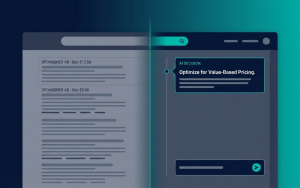
AI Isn’t an Ad Channel. It’s a Decision Engine.

Why Traditional Ads Don’t Belong in AI Conversations
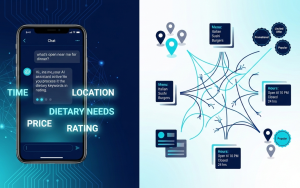
AI Visibility Starts With Intent: How to Control What Chatbots Say About Your Locations, Menus, and Offers

Signals, Insight, and Intent. The Difference That Separates “Data Rich” From “Customer Ready”
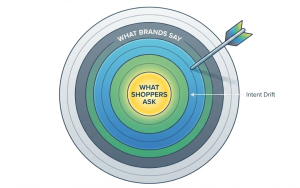
The Intent Gap: Where Messaging Loses the Sale