Boost Sales, Not Just Awareness: The Real ROI of In-Store Events
April 4, 2025
In today’s competitive retail environment, brands in the alternative products industry are continually seeking innovative strategies to enhance visibility, engage customers, and boost sales. One effective approach that has gained significant traction is hosting in-store pop-up events. These temporary activations offer a unique platform for brands to connect directly with consumers and strengthen relationships with retailers.
Benefits of Hosting In-Store Pop-Up Events
- Strengthening Retailer Relationships and Staff Morale: Collaborating with retailers to host pop-up events fosters a sense of partnership and mutual benefit. Providing retailer staff with product education and complimentary samples not only boosts their morale but also equips them with the knowledge to effectively promote and sell your products.
- Increasing Sales and Basket Size: Pop-up events create an interactive shopping experience that can lead to increased consumer spending. By introducing customers to new products in an engaging setting, brands can encourage larger purchases, benefiting both the brand and the retailer. Notably, pop-up shops have been shown to increase revenue by an average of 35% for established retailers.
- Enhancing Brand Awareness and Customer Engagement: These events provide an opportunity to showcase your brand’s unique offerings, allowing customers to experience products firsthand. This direct engagement not only raises brand awareness but also helps in building lasting relationships with consumers. In fact, 58% of consumers have reported a willingness to purchase from a brand they had never heard of before after discovering them in a pop-up shop.
Addressing the Challenges of Pop-Up Events
While the advantages are clear, brands often face logistical challenges when planning pop-up events, such as inventory management, budgeting for samples and promotional materials, and ensuring an appealing setup. Additionally, uncertainties about event turnout and retailer receptiveness can pose concerns.
How CRSTA Can Facilitate Successful Pop-Up Events
At CRSTA, we leverage advanced AI-driven analytics to streamline the planning and execution of in-store pop-up events:
- Foot Traffic and Demographic Analysis: Our software evaluates average store foot traffic and local demographics to identify optimal locations for pop-up events, ensuring maximum exposure and engagement.
- Product Performance Insights: We analyze sales data to determine which products resonate best with specific store demographics, allowing for tailored product selections that align with local consumer preferences.
- Investment Confidence: By providing data-backed recommendations, CRSTA enables brands to invest confidently in pop-up events, anticipating favorable outcomes and maximizing return on investment.
Take the Next Step with CRSTA
Ready to elevate your brand’s presence and drive sales through strategic in-store pop-up events? Book a demo with CRSTA today to discover how our AI-powered solutions can help you efficiently offer incentives to your network of retailers and distributors, maximizing profits and success.
AI Isn’t an Ad Channel. It’s a Decision Engine.
Why Traditional Ads Don’t Belong in AI Conversations
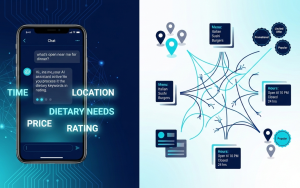
AI Visibility Starts With Intent: How to Control What Chatbots Say About Your Locations, Menus, and Offers
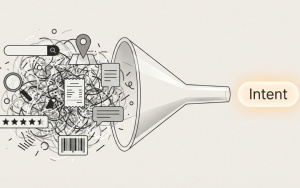
Signals, Insight, and Intent. The Difference That Separates “Data Rich” From “Customer Ready”
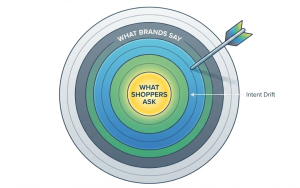
The Intent Gap: Where Messaging Loses the Sale