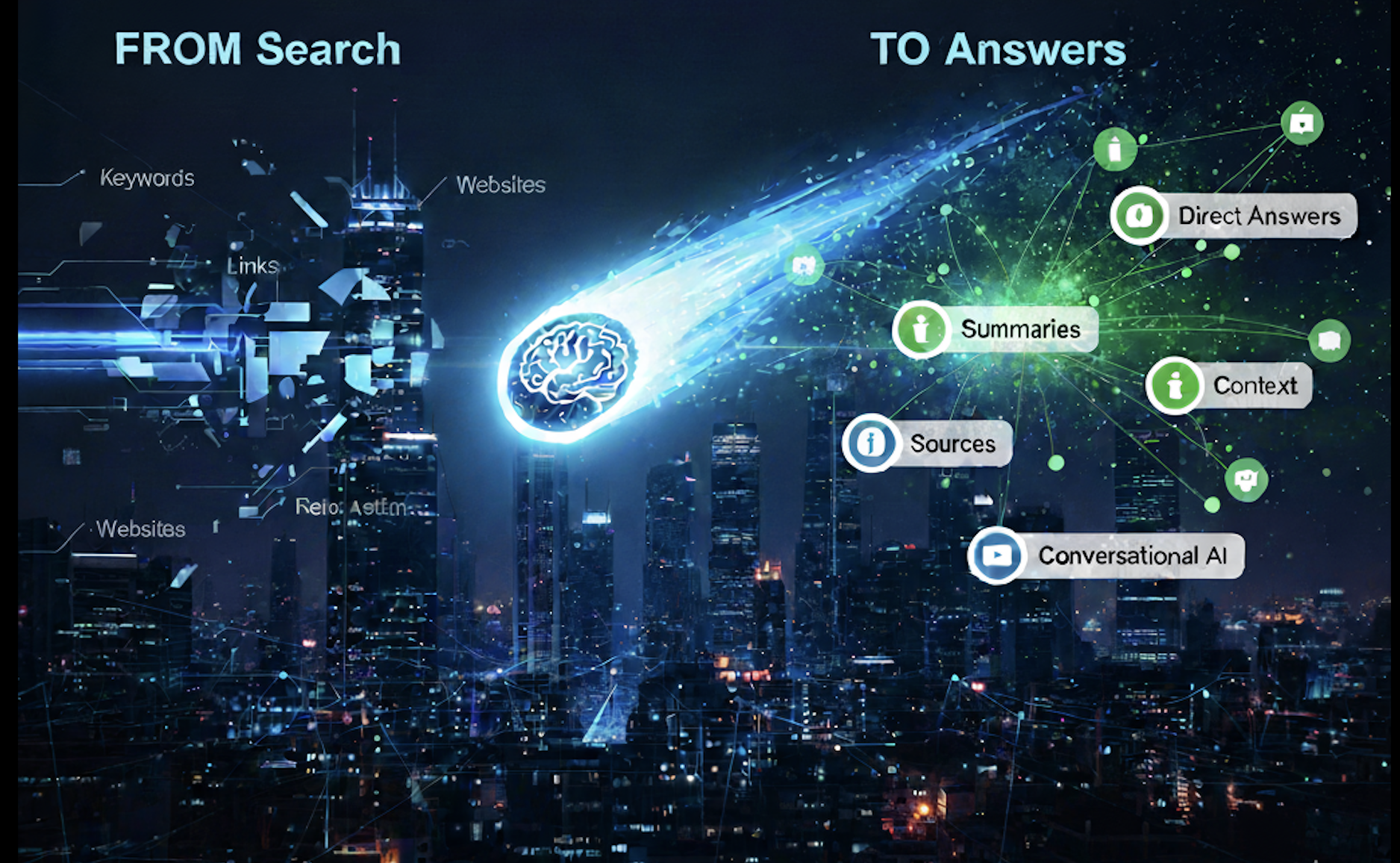
AI Browsers like Perplexity’s Comet is the future: From Search to Answers
September 10, 2025
From Tabs to Tasks: The Rise of AI-Native Browsers
Most people are familiar with traditional web browsers such as Google Chrome, Safari, or Firefox. For decades, these browsers have served as gateways to the internet—displaying websites and enabling users to search, click, and scroll. But a new category of technology is emerging: AI-native browsers like Perplexity’s Comet. These aren’t just portals to information, they’re intelligent agents that act on your behalf.
A Simple Scenario: Dinner Reservations
Imagine you’re looking for a great place to eat tonight. Here’s how the experience differs.
Traditional Browser Experience (Chrome, Safari, Firefox):
- Open Chrome and type “Italian restaurants near me.”
- Scan through Google results, reviews, and ratings.
- Click into Yelp, OpenTable, or individual restaurant websites.
- Compare menus, prices, and availability manually.
- Navigate to OpenTable (or call the restaurant) to make the reservation.
Here, you do most of the work. The browser is a passive tool that is showing you pages, but not handling the task. Even with AI integrations like Google’s Search Generative Experience, the browser only summarizes results. You still have to take the next steps.
AI Browser Experience (Comet):
- Say: “Find me a good Italian restaurant nearby for 7 PM and book a table for two.”
- Comet interprets the request contextually—understanding your location, time, and cuisine.
- It checks multiple sources (Google Maps, Yelp, OpenTable, Resy) at once.
- It filters and ranks restaurants by popularity, proximity, and availability.
- Finally, it interacts with the reservation system and confirms your table.
With Comet, the AI handles the entire chain of actions—from discovery to decision to booking.
Why the Difference Matters
The move from a traditional browser to an AI-native browser represents more than convenience. It’s a fundamental shift in how we interact with the web:
- From Search to Action: Traditional browsers help you search. AI browsers help you accomplish.
- From Multiple Steps to One Step: AI condenses multi-tab workflows into a single interaction.
- From Passive Tool to Active Agent: Chrome shows you information. Comet uses information to act.
- From Tabs to Tasks: Browsing shifts from page management to goal completion.
The Future of Browsing
Traditional browsers are layering in AI features (Chrome’s Search Generative Experience, Edge’s Copilot), but their foundation remains unchanged: they display web pages. AI-native browsers invert the model. They don’t just show sites, they interpret your intent and act on it.
So the next time you’re deciding what to eat, imagine skipping the scrolling, the clicking, and the comparing. Just tell your AI browser what you want, and let it take care of the rest. That’s the future—from tabs to tasks.
AI Isn’t an Ad Channel. It’s a Decision Engine.
Why Traditional Ads Don’t Belong in AI Conversations
AI Visibility Starts With Intent: How to Control What Chatbots Say About Your Locations, Menus, and Offers
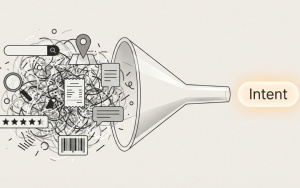
Signals, Insight, and Intent. The Difference That Separates “Data Rich” From “Customer Ready”
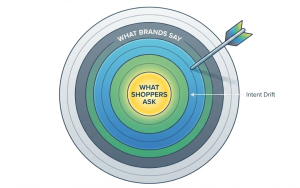
The Intent Gap: Where Messaging Loses the Sale