CRSTBL Publishes Independent Report on the Hidden Costs of AI SEO Inaccuracy
August 23, 2025
New analysis by Dr. Wayne Lim reveals how AI-driven misinformation can cost local businesses $20K–$250K annually.
CRSTBL is proud to share an independent white paper authored by Dr. Wayne Lim, Artificial Intelligence Transformation Strategist: The Hidden Cost of Artificial Intelligence SEO Inaccuracy: Quantifying the Revenue and Reputation Risks for Local Businesses.
As AI-powered search agents like ChatGPT, Gemini, and voice assistants become the go-to source for consumer discovery, inaccurate or incomplete business data has emerged as a critical economic risk. Dr. Lim’s research introduces a five-pillar framework showing how misinformation can lead to:
- Lost revenue
- Reduced conversions
- Brand reputation damage
- Declining search visibility
- Higher operational correction costs
Across sectors such as restaurants, salons, and retail, the analysis estimates losses between $20,000 and $250,000 per year—often without business owners even realizing it.
“These losses are not hypothetical—they are happening today,” said Dr. Lim. “As AI becomes the front door to consumer discovery, inaccurate data doesn’t just frustrate customers; it erodes revenue, damages reputation, and increases operational costs.”
The report calls for businesses, platforms, and investors to adopt corrective solutions. CRSTBL is uniquely positioned to address this challenge by ensuring that verified, up-to-date business information flows directly into AI search engines and assistants.
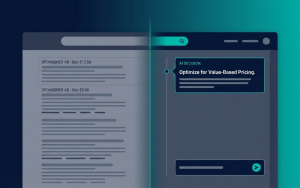
AI Isn’t an Ad Channel. It’s a Decision Engine.
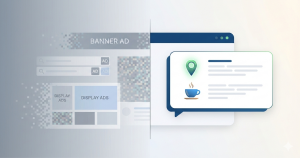
Why Traditional Ads Don’t Belong in AI Conversations
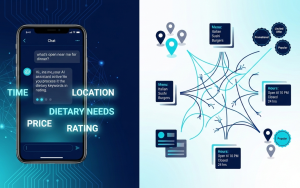
AI Visibility Starts With Intent: How to Control What Chatbots Say About Your Locations, Menus, and Offers
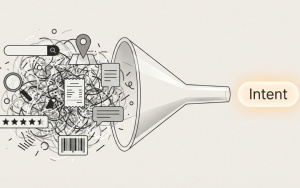
Signals, Insight, and Intent. The Difference That Separates “Data Rich” From “Customer Ready”
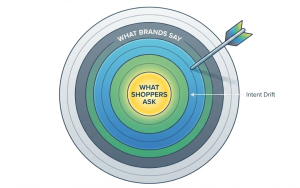
The Intent Gap: Where Messaging Loses the Sale