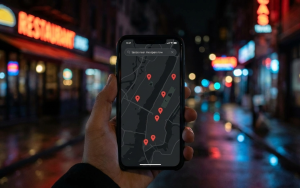
How AI SEO Is Redrawing the Map for Local Businesses
May 7, 2025
(This article was written with the help of AI)
Overview
In 2025, the battle for local visibility is less about climbing web rankings and more about earning a coveted spot in the mind of artificial intelligence. As AI-driven search engines—like Google’s Overviews, ChatGPT, and a growing roster of voice and smart-home assistants—reshape how customers discover businesses, small owners face a new mandate: adapt or risk invisibility.
AI SEO: The New Playbook
Traditional SEO asked owners to stack keywords, amass backlinks, and polish websites for Google’s algorithm. The AI SEO era goes deeper. Now, search engines interpret real-world context, intent, conversational language, and live data—from your inventory to your online reviews. It’s no longer enough to be simply “present” online; businesses must be instantly understandable to AI systems that parse hundreds of signals every second.
Step-by-Step: How AI SEO Works
- Profile Perfection: The foundation is a fully optimized Google Business Profile—accurate hours, location, rich service descriptions, and authentic photos. AI tools keep these details fresh and reliable, sparing owners from manual updates.
- Structured Data: Adding schema markup for services, locations, and products helps AI engines understand what you offer, the exact details, and when, boosting your chance of a recommendation.
- Conversational Content: Forget single keywords; AI SEO requires crafting detailed content that answers everyday questions—“Can I book a plumber tonight in [city]?” or “Which bakery is open Sundays and sells gluten-free bread?”.
- Voice and Mobile Optimization: With nearly half of “near me” searches now via voice, AI tools prepare your business for spoken recommendations, not just typed ones.
- Automated Review and Reputation Management: AI tools now monitor, analyze, and respond to reviews in real time, flagging negative sentiment and escalating issues so small teams can focus on customer service rather than chasing every notification.
- Predictive Analytics: Algorithms spot trending searches weeks before they peak, letting you update offers, adjust hours, or create new content before competitors even notice.
Cost and Opportunity
AI SEO tools have democratized capabilities once exclusive to big brands. Monthly costs range from $500 to $2,000 for robust services, but many features—like business profile optimization and review monitoring—can be handled in-house with guidance. The investment may sound steep, but the return can be dramatic: small bakeries, for example, reported a 22% customer lift by automating review replies and updating listings with AI.
Failure to act, however, brings stark risk. Businesses not embracing AI SEO risk losing up to 30% of discovery traffic in key local verticals. Absent from top spots in AI-powered search, they miss spontaneous walk-ins, calls, and even mobile maps listings. Worse, a lack of active engagement can erode reputation—as negative or outdated reviews surface or go unaddressed, hurting trust and leading to declining visibility.
Ranking Risks: AI Changes Who Wins
- Invisible to Buyers: Over 76% of those making local searches visit a business within 24 hours. Those not surfaced by AI become practically invisible.
- Winner-Takes-Most Effect: As AI-powered local search prioritizes only the best-optimized businesses, early adopters win outsized visibility while laggards struggle to catch up.
- Quality Over Quantity: AI systems value helpful, authentic, and hyper-local content. National chains with generic content lose out to small owners who share real stories, community events, and detailed service guides.
- Review Quality Matters: AI parses the text of reviews, rewarding businesses with factual, nuanced feedback over empty five-star endorsements. Missed opportunities in review management directly translate to lost trust and sales.
The Bottom Line
AI SEO isn’t a technical upgrade—it’s an existential leap for local businesses. Mastering the new process means automating your online presence, publishing authentic content, engaging with local customers, and letting AI drive routine work. The cost of delay: a slide into irrelevance, as customer attention shifts toward businesses showcased—and recommended—by intelligent search engines.
Small businesses who act early harness AI to work both harder and smarter, reclaiming local leadership from larger competitors and ensuring their storefronts stay busy in the new search landscape. The future of local discovery is here—and it won’t wait for those stuck in yesterday’s rankings.

AI Isn’t an Ad Channel. It’s a Decision Engine.

Why Traditional Ads Don’t Belong in AI Conversations
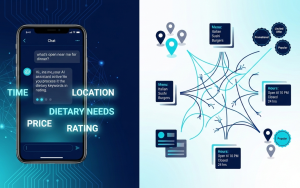
AI Visibility Starts With Intent: How to Control What Chatbots Say About Your Locations, Menus, and Offers

Signals, Insight, and Intent. The Difference That Separates “Data Rich” From “Customer Ready”
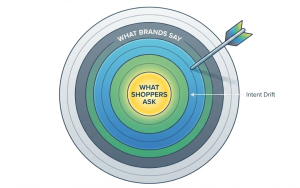
The Intent Gap: Where Messaging Loses the Sale