How Alexa+ Points to the Future of Agentic AI
September 4, 2025
Alexa and the Rise of Agentic AI
Amazon’s Alexa exemplifies the early model for future agentic systems—AI agents capable of not only finding and ordering products, but also orchestrating services from local providers. As Alexa grows more advanced, it could evolve into a seamless end-to-end platform for managing real-world tasks: booking appointments with plumbers or electricians, selecting groceries from preferred local stores, and arranging delivery straight to your home.
From Voice Assistant to Task Orchestrator
The next generation, Alexa+, goes beyond voice-controlled shopping. It can autonomously navigate and interact with third-party providers like Uber Eats, Grubhub, and Ticketmaster. This shift transforms Alexa from a shopping tool into a comprehensive task manager, capable of handling bookings, finding optimal providers, and routing orders with minimal user input.
Everyday Use Cases
Leaking Pipe? Simply say, “Alexa, send a plumber to my house,” and the assistant can search directories, book a professional, and confirm details—no extra steps required.
Need Groceries? A request like, “Alexa, order groceries from the nearest store,” could trigger a tailored order based on your past purchases, dietary preferences, and delivery windows.
These scenarios showcase how agentic systems eliminate friction, turning simple commands into complete solutions.
Extending to Services
Alexa is already integrated with HomeAdvisor, giving users access to over 500 home services, from plumbing to electrical repairs. Today, Alexa connects users with prescreened professionals and schedules calls or appointments. Tomorrow, it may handle even more nuanced tasks—like comparing reviews, negotiating prices, or locating after-hours providers automatically.
Personalization at the Core
For this vision to work, Alexa must rely on deep personalization. That means remembering past orders, dietary restrictions, favorite payment methods, and availability preferences for each household member. Amazon is actively developing speaker-specific profiles, allowing Alexa to deliver context-aware, relevant, and efficient actions that adapt over time.
The Path Forward
Alexa’s evolution—combining personalization, autonomous action, and third-party integrations—signals how future agentic AI will reshape daily life. Instead of navigating multiple apps or websites, consumers will rely on a single interface that can order, schedule, and deliver across countless providers.
The challenge for Amazon lies in building trust: ensuring reliability, accuracy, and security at scale. But the opportunity is clear—agentic AI has the power to transform convenience into expectation, redefining how we interact with products, services, and technology in every part of life.

AI Isn’t an Ad Channel. It’s a Decision Engine.

Why Traditional Ads Don’t Belong in AI Conversations
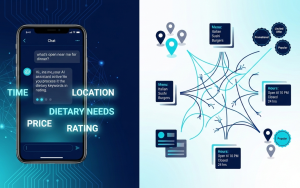
AI Visibility Starts With Intent: How to Control What Chatbots Say About Your Locations, Menus, and Offers

Signals, Insight, and Intent. The Difference That Separates “Data Rich” From “Customer Ready”
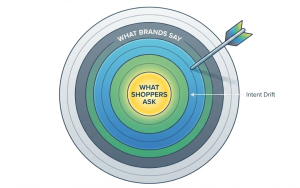
The Intent Gap: Where Messaging Loses the Sale