
Product Data Hygiene for Manufacturers: Fixing the Mess Before AI Amplifies It
December 3, 2025
AI is about to sit between your products and almost every shopper, retailer, and distributor you work with.
That is the good news.
The bad news. AI is only as reliable as the product data it ingests. If your catalog is full of mismatched pack sizes, outdated claims, and inconsistent titles, those problems do not stay hidden in the back end. They spread into every conversational answer, every “near me” search, and every in-store recommendation.
For manufacturers, product data hygiene is no longer a back office chore. It is a front line growth lever. This article walks through the specific problems that cause the most damage, how they show up in AI driven answers, and a practical checklist you can use to clean things up before you scale into more channels.
Why AI Makes Product Data Hygiene Urgent
For years, messy product data mostly hurt your internal reporting and caused friction in joint business planning. People still “knew” your products. Sales reps could explain a pack size in person. Category managers could fix a bad description on a planogram.
Now AI systems are becoming the first “rep” a buyer or shopper talks to.- A restaurant operator asks an AI assistant. “Which 6/1 gallon ranch dressing is gluten free and available through my distributor”
- A convenience store owner asks. “What is the case count on that new 16 oz energy drink from Brand X”
- A shopper in their car asks. “Which gas station near me has your zero sugar 12-pack cold right now”
In crowded categories, clean product data becomes a competitive edge.
The Four Big Product Data Problems That AI Amplifies
Most manufacturers deal with the same recurring issues. The details vary by category, yet the pattern is consistent. Let us break down the main sources of risk.1. Inconsistent Titles and Naming Conventions
You can see this in almost any catalog.- “Energy Drink, 16oz, Zero Sugar, Citrus Blast”
- “Citrus Blast 16 OZ Z/S Energy”
- “Brand X Citrus Blast Zero 16oz”
- Duplicate or fragmented SKUs in AI indexes
- Missed matches on “similar products” recommendations
- Confusion between flavor variants or pack sizes
2. Mismatched Pack Sizes and Case Configurations
Pack and case inconsistencies are brutal in B2B search. You often see.- Case count differences between systems. 12/16 oz in one feed vs 24/16 oz in another
- Bulk vs single serve treated as the same item
- New pack sizes created as “temporary SKUs” that never get retired
- A restaurant owner asks. “How many pours per case will I get if I switch to the 5 lb bag”
- A C-store buyer asks. “Is this 16 oz 8-pack or 12-pack in my warehouse”
3. Outdated or Conflicting Claims
Claims and attributes are where AI has the most potential to help. and the most potential to hurt you if your data is stale. Common issues.- “New” or “limited time” callouts left in titles 18 months after launch
- Claims like “now with less sugar” still live for old formulas
- Regulatory related tags. gluten free, non-GMO, organic. not updated when a product changes or gets certified
4. Missing or Incomplete Attributes
Most manufacturers still have gaps in “long tail” attributes. For example.- Storage type. shelf stable, refrigerated, frozen
- Preparation method. ready to drink, concentrate, just add water
- Use cases. foodservice only, c-store cold vault, roller grill, etc.
- Container material. aluminum, PET, glass
- “Show me shelf stable creamers that do not require refrigeration”
- “Which glass bottled sodas fit on this 3-shelf rack”
- “Which products are ready to drink and single serve”
How Messy Product Data Turns Into Bad AI Answers
Once you understand the root issues, it is easier to see how they cascade across partners and tools.From ERP and PIM to Distributors and Retailers
Most manufacturers start with a core system of record. ERP, PIM, or some combination. Over time, each partner receives their own slice of the truth.- Distributors ingest item setup sheets and then create internal codes
- Retailers pull from distributor feeds and override titles to match their own catalog style
- eCommerce platforms get yet another version through content syndication tools
From Retailers and Distributors Into AI Models
Now layer AI on top.Search engines, mapping platforms, and conversational agents scrape and ingest data from.
- Public product pages on your site
- Retailer and distributor catalogs
- Marketplaces and digital circulars
- User generated content, reviews, and images
- Wrong answers to basic questions about size, availability, or usage
- Confusing comparisons in category level queries
- Missing you entirely in filtered or attribute based searches
A Practical Product Data Hygiene Checklist for Manufacturers
The good news. You do not need a perfect global data model on day one. You need a disciplined baseline and a clear owner. Here is a concrete checklist you can put in motion.1. Establish a Single Product Data Owner
Decide who owns the “source of truth” for product data. It might sit within.- Commercial operations
- Master data management
- Digital commerce or eBusiness
- A dedicated data governance group
2. Standardize Naming and Core Identifiers
Create a simple standard that applies across all systems.- A consistent product title pattern. Brand + Product Line + Flavor or Variant + Size + Pack
- Clear use of GTINs, UPCs, case codes, and internal IDs
- Standard abbreviations allowed for flavors, sizes, or formats
3. Lock Down Pack and Case Configuration Rules
Treat pack configuration as a critical field, not an afterthought.- Define and document each selling unit. unit, inner, case, pallet
- Ensure case counts match across ERP, PIM, distributor records, and price lists
- Flag any “special packs” or club sizes with clear start and end dates
4. Clean and Govern Claims and Regulatory Attributes
Create a simple workflow for claims.- Every claim in a title or description must map to a documented source. legal approval, certification, or specification
- Set expiration or review dates for time bound claims. “new,” “limited time,” “now with…”
- Keep a controlled list of diet and regulation related attributes. gluten free, kosher, organic, etc., and tie them directly to specification data
5. Fill in the Long Tail Attributes
Identify the attribute set that matters for AI discovery, not just for internal systems. Focus on fields that drive decisions for your buyers and shoppers. For CPG and foodservice, that often includes.- Storage and handling requirements
- Preparation and serving instructions
- Channel fit. c-store, QSR, full service restaurant, institutional, etc.
- Shelf and equipment fit. cold vault, fountain, roller grill, warmers, freezers
6. Sync With Key Partners on a “Golden Record”
Data hygiene only works if it flows downstream. Pick your most strategic distributors and retailers and share a “golden record” feed.- Provide a clean, regularly updated product file
- Agree on how and when changes propagate
- Audit their catalogs twice a year against your source of truth
7. Make Your Catalog Ready for AI Indexing
Once your baseline is in place, take one more step. Make it easy for AI systems to ingest and interpret your data.- Maintain a structured, machine readable catalog. often via product feeds or APIs
- Ensure your public product pages mirror your internal data. titles, sizes, ingredients, attributes
- Avoid image only content for critical information that AI needs to read as text
Building a Sustainable Operating Model
A one time clean up is helpful. A durable operating model is where you see real benefit. At a minimum, that model should include.- Governance. defined owners, approval flows, and clear rules for titles, claims, and attributes
- Rhythm. scheduled audits of top SKUs, seasonals, and new launches
- Feedback. a way to capture errors spotted by sales reps, customer support, or partners and feed them back into the source of truth
- Measurement. simple metrics. percentage of SKUs with complete attributes, number of discrepancies found per audit, time to correct an item across all partners
The Business Case. Why This Matters Now
From a distance, all of this can look like back office data work. Up close, it is directly tied to revenue, margin, and brand equity. Clean product data means.- More accurate answers when AI systems recommend products to operators and shoppers
- Better visibility in filtered and attribute based search across retailers and channels
- Fewer disputes and credits from pack size confusion or wrong specs
- Stronger trust with distributors and retail partners who rely on your data to run their own systems

AI Isn’t an Ad Channel. It’s a Decision Engine.

Why Traditional Ads Don’t Belong in AI Conversations

AI Visibility Starts With Intent: How to Control What Chatbots Say About Your Locations, Menus, and Offers
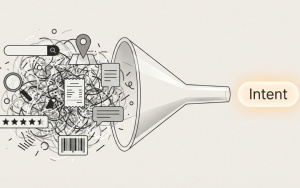
Signals, Insight, and Intent. The Difference That Separates “Data Rich” From “Customer Ready”
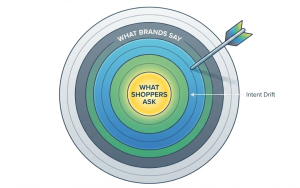
The Intent Gap: Where Messaging Loses the Sale