
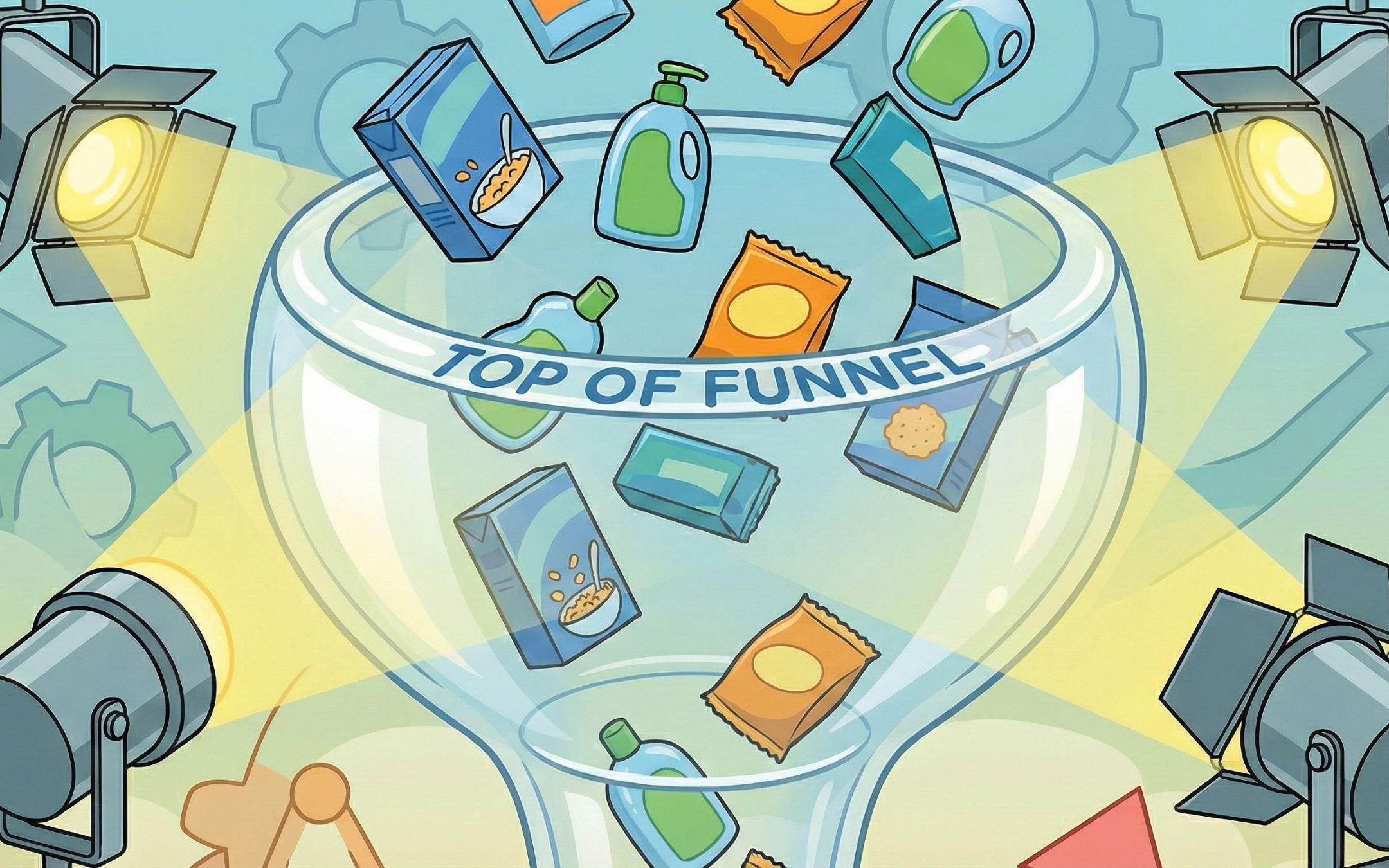
Top of Funnel Discovery: AI Answers Are Reshaping How Consumers Find New Products
November 26, 2025
Search is undergoing the most fundamental shift since the launch of Google. Instead of browsing through ranked pages, consumers are increasingly getting direct answers from AI systems like ChatGPT, Gemini, Claude, Perplexity, and Google’s AI Overviews. These systems synthesize information from multiple sources, generate recommendations, and often complete the entire discovery journey without a single click.
For brands—especially those in food, beverage, nicotine alternatives, supplements, and other CPG categories—this new search paradigm presents both opportunity and risk. If your brand is not included in the AI-generated answer, you may never enter the customer’s consideration set.
This is where AI SEO (GEO / AEO) becomes essential, and where CRSTBL’s platform provides the infrastructure to keep brands visible and discoverable in an answer-driven world.
Your brand must be understandable to machines before it can be chosen by humans.
Brands that delay risk becoming invisible. CRSTBL equips brands with the structured product truth, entity authority, and SKU-level store mapping needed to thrive in this new answer-driven search landscape. If your brand wants to become the answer—not just a link—CRSTBL provides the platform to make that transformation possible.
The Shift From Links to Answers
Traditional SEO works by optimizing content so that a webpage appears on the first page of search results. That model assumed users would click into websites to compare options. AI-driven discovery breaks this assumption. When a consumer asks an AI assistant, “What’s a good electrolyte drink for running long distances?”, the assistant responds with a synthesized list. It may say: “X Brand is known for low sugar and high sodium-to-potassium ratio, which endurance runners prefer. Y Brand has natural ingredients and higher magnesium content. Both are widely available in major retailers.” No clicks. No website visits. No funnel. Your brand is either in the answer—or invisible.Example:
A supplement company specializing in sleep gummies may traditionally rank well in Google through blogs, backlinks, and keyword optimization. But when a user asks an AI assistant, “What are the best over-the-counter sleep products?”, the assistant will rely on:- Structured product data
- Ingredient accuracy
- Mention consistency
- Verified descriptions
- Third-party credibility signals
Why AI Assistants Demand Better Data
AI systems do not “search” the way humans do. They infer, reason, and assemble answers using entity relationships and structured information. They rely on:- Product truth (ingredients, functional benefits, flavors, sizes, nutrition, warnings)
- Brand entity authority (accurate, clean, canonical information)
- Cross-referenced mentions (reviews, press, listings, retailer pages)
- Structured metadata (schema, tags, attributes, SKUs)
Your brand must be understandable to machines before it can be chosen by humans.
“Near Me” Queries Are Becoming AI-Driven
One of the most commercially important queries is local availability. When a consumer asks:- “Where can I buy this energy drink near me?”
- “Which smoke shop carries nicotine-free pouches in Chicago?”
- “What grocery store near 91746 has Olipop Tropical Punch?”
Why This Matters for CPG, Beverage, Functional Foods, and Alternative Products
These categories—especially those sold through convenience stores, grocery chains, smoke shops, nutrition shops, and multi-location retailers—depend heavily on:- Local assortment
- Rapid replenishment
- In-store impulse discovery
- Product-location matching
- Visibility at the point of need
Example:
A nicotine-free lozenge brand sold in 3,000 independent convenience stores may be widely available, but if AI assistants don’t know which stores carry the product, they cannot include the brand in regional recommendations. Instead, the assistant will default to brands with clearer digital footprints, even if those brands aren’t actually stocked in local stores. This is a structural disadvantage for challenger brands—unless they adopt AI-ready data infrastructure.CRSTBL’s Role in This New Search Landscape
CRSTBL provides the data infrastructure that allows brands to be discovered inside AI-generated answers. The platform does three things that traditional SEO does not:1. Builds and Maintains Product Truth
CRSTBL creates a canonical, machine-readable representation of the brand’s products—ingredients, nutrition, package sizes, use cases, regulation-sensitive details, and more. AI systems use this truth layer to ensure factual accuracy.2. Establishes Entity Authority and AI SEO Readiness
CRSTBL optimizes the brand for inclusion inside AI answers by improving:- Entity clarity
- Schema and metadata
- Brand-linked references
- AI citation signals
- Structured content consistency
3. Maps SKUs to Local Retail Stores
CRSTBL connects product truth to on-the-ground availability by mapping:- Distributors
- Retailers
- Store-level SKU placement
- Verified stocking presence
The Cost of Inaction
Brands that maintain only traditional SEO risk losing visibility in:- AI comparisons
- Near-me queries
- Recommendation lists
- Shopping suggestions
- Health and nutrition guidance
- Product-specific Q&A
- Category roundups
The New SEO: Becoming the Answer
The goal is no longer to appear on the first page of search results. The goal is to be included inside the answer when an AI system responds to:- “What should I buy?”
- “Which product is best for me?”
- “Where can I find it nearby?”
- “What are alternatives to [competitor]?”
- “Which brands are recommended for [use-case]?”
Conclusion
AI-driven discovery is reshaping how consumers learn, evaluate, and purchase products. The shift is more radical than the transition from desktop to mobile search. It changes what it means to be visible, what it means to rank, and what it means to earn a customer’s consideration. Brands that prepare today will be the ones AI assistants recommend tomorrow.Brands that delay risk becoming invisible. CRSTBL equips brands with the structured product truth, entity authority, and SKU-level store mapping needed to thrive in this new answer-driven search landscape. If your brand wants to become the answer—not just a link—CRSTBL provides the platform to make that transformation possible.
AI Isn’t an Ad Channel. It’s a Decision Engine.
AI isn’t another ad channel to buy into—it’s a decision engine that recommends, ranks, and influences consumers before they ever click. For CMOs, marketing directors, and multi-location brand operators, that shift changes everything about how visibility works. The old playbook of bidding for placement is losing ground to a new imperative: qualifying for recommendation. This post breaks down what AI models actually evaluate, why traditional digital strategies won’t transfer cleanly, and what your brand needs to do now to remain discoverable in an AI-first world.
Why Traditional Ads Don’t Belong in AI Conversations
/wp-content/uploads/CRSTBL_-The-Future-of-Marketing-3.mp4 For the past two decades, digital marketing has operated on a simple principle: interrupt the user journey with something relevant enough to redirect attention.
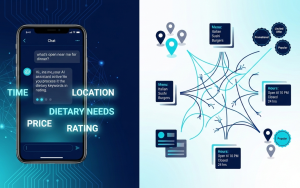
AI Visibility Starts With Intent: How to Control What Chatbots Say About Your Locations, Menus, and Offers
Consumers are asking AI assistants “what’s open near me right now” and “best place for dinner under $20″—not typing keywords into search bars. When ChatGPT or voice assistants answer these high-intent queries with wrong hours, outdated menus, or missing offers, you lose the sale. This guide shows CMOs and operators how to make your location data answer-ready across AI platforms and why accuracy has become your new competitive advantage in the post-click world.
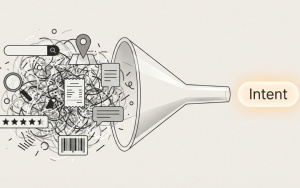
Signals, Insight, and Intent. The Difference That Separates “Data Rich” From “Customer Ready”
Signals are not strategy. Insight without fresh signals goes stale. This article breaks down the difference between customer signals, customer insight, and consumer intent, and shows how connecting them drives better answers, recommendations, and real time experiences.
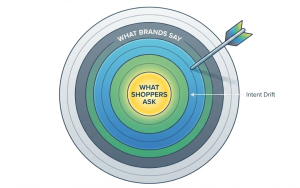
The Intent Gap: Where Messaging Loses the Sale
Your brand message might be polished. Your customers are still asking basic questions about price, availability, hours, dietary fit, and policies. This article breaks down intent drift, why it hurts conversion, and how to audit your content so your messaging matches what shoppers are actually trying to do.
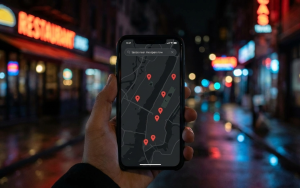
The Intent Signals Hiding in Plain Sight
High-intent searches like “open now,” “near me,” “best option for,” and “what should I buy” are the moments customers are ready to act. This article breaks down how to spot these signals, show up with the right answers, and shift spend toward demand that already exists.